The Role of Interdisciplinary Teams in Brain Injury Rehab
Interdisciplinary treatment and collaboration remain at the forefront of brain injury treatment. Working as a team transforms the management of brain injuries. By combining specialized knowledge, the potential for improved outcomes is limitless.
Interdisciplinary collaboration in brain injury treatment involves bringing together professionals from various fields. These fields include neurology, psychology, physical therapy, speech pathology, and occupational therapy. These professionals work together to develop comprehensive treatment plans that address each patient's needs. They share their insights, skills, and experiences amongst the team. This can provide a holistic approach that integrates medical, psychological, and rehabilitative interventions.
The benefits of this collaborative approach are diverse. Combining their knowledge and skills, interdisciplinary teams can develop more accurate diagnoses and patient-centered treatment plans. They can also provide a more comprehensive assessment of a patient's overall well-being. They take into account not only physical but also cognitive and emotional aspects.
An interdisciplinary team approach not only increases the chances of recovery but also improves the quality of life for patients and their families.
The Limitations of Traditional Rehabilitation for Traumatic Brain Injury Treatment Approaches
Brain injuries can have devastating effects on individuals and their families. Traumatic brain injuries are a result of trauma, such as a car accident or a fall. They may result from medical conditions such as strokes or tumors. Care often starts in the hospital within 24–72 hours after injury during the acute stage, when the focus is on medical stabilization. These injuries can result in a range of physical, cognitive, and emotional impairments. The brain is a complex organ, and disruption to its connections happens in various ways. This can lead to significant challenges in everyday activities.
Traditional treatment approaches often focus on addressing isolated symptoms. This fragmented approach has limitations. Early, team-based intervention generally leads to better outcomes after a brain injury. Traditional approaches fail to consider the interconnected nature of brain functions and their impact on health outcomes.
The benefits of collaboration in brain injury rehabilitation and treatment
Traditional treatment approaches for brain injuries often miss the full severity of the injury. Each expert focuses on their respective areas. While this approach may have some positive results, it fails to address the complex nature of brain injuries as a whole. For example, A specialist may work with patients with TBI and varied initial severity. A psychologist may concentrate on the emotional and cognitive implications. This individual approach can lead to fragmented care.
Furthermore, traditional treatment approaches often lack a holistic assessment of the patient's well-being. While physical rehabilitation is often the primary focus, cognitive impairments and emotional distress get overlooked or aren't addressed. This limited scope can hinder the recovery process.
Key members of an interdisciplinary severe traumatic brain injury team
Interdisciplinary collaboration in brain injury treatment brings together professionals from various fields. These can include neurology, psychology, physical therapy, speech pathology, and occupational therapy. Combining the expertise of different specialists, patients with TBI can access a more comprehensive and functional approach to rehabilitation. There are many benefits of collaboration in brain injury treatment.
Interdisciplinary teams can provide more accurate diagnoses. By pulling together their collective knowledge and conducting comprehensive assessments in all areas. These teams can uncover subtle symptoms and identify underlying issues that are often overlooked in a single-discipline approach. This comprehensive understanding enables them to tailor treatment plans to each patient's specific needs and abilities. This maximizes the chances of successful recovery. Approximately 13–25% of people who survive a moderate, severe, or penetrating traumatic brain injury (TBI) receive comprehensive inpatient rehabilitation from an interdisciplinary team. Even fewer receive rehabilitation in a program that specializes in treating TBI.
Access to rehabilitation is limited by:
Insurance coverage
Availability of specialized programs
Where a person lives
Admission requirements (including how the Medicare "3-hour rule" plays a role)
The Medicare "3-hour rule" generally requires patients in an inpatient rehabilitation hospital (IPR) to participate in intensive therapy (2 or more disciplines) for 3 hours per day, 5 days per week.
Also, collaboration allows a more holistic assessment of a patient's well-being. By considering not only physical impairments, but also cognitive, emotional, and social factors, interdisciplinary teams can develop patient-centered treatment plans. These plans address the patient's complex needs. No area of recovery becomes overlooked in a comprehensive approach. This approach leads to better long-term outcomes and an improved quality of life. This kind of collaboration helps support recovery across different stages of care. Many patients are discharged to a nursing home rather than moving into post-acute care, and long-term supports vary by state. Telehealth can expand access to brain injury rehabilitation, physician follow-up, and other services when local options are unavailable.
The role of each team member and family involvement in the treatment process
An interdisciplinary brain injury rehabilitation team includes healthcare professionals from different specialties, who work together to provide care. Depending on the severity of the injury, treatment may continue across multiple settings, including an inpatient rehabilitation hospital, a subacute rehabilitation facility, and outpatient therapy.
Each professional brings their unique perspectives and expertise to the table. While team composition may vary depending on the specific needs of the patient, common key members found in these teams are:
Neurologist: A neurologist specializes in diagnosing and treating conditions that affect the brain. Neurologists evaluate how the brain and nervous system function, track recovery, and help prevent further brain damage by monitoring for serious complications, such as low oxygen levels. They may also prescribe and manage medications.
Psychologist: A psychologist focuses on a patient's psychological and emotional well-being. They assess cognitive functioning, emotional distress, and behavioral changes resulting from brain injury. Psychologists provide psychotherapy and counseling to help patients cope with emotional challenges or changes.
Physical Therapist: A physical therapist helps people regain strength, movement, balance, and mobility after a brain injury. Physical therapists create personalized exercise programs, provide hands-on therapy, and teach patients and their families how to use adaptive techniques and assistive devices.
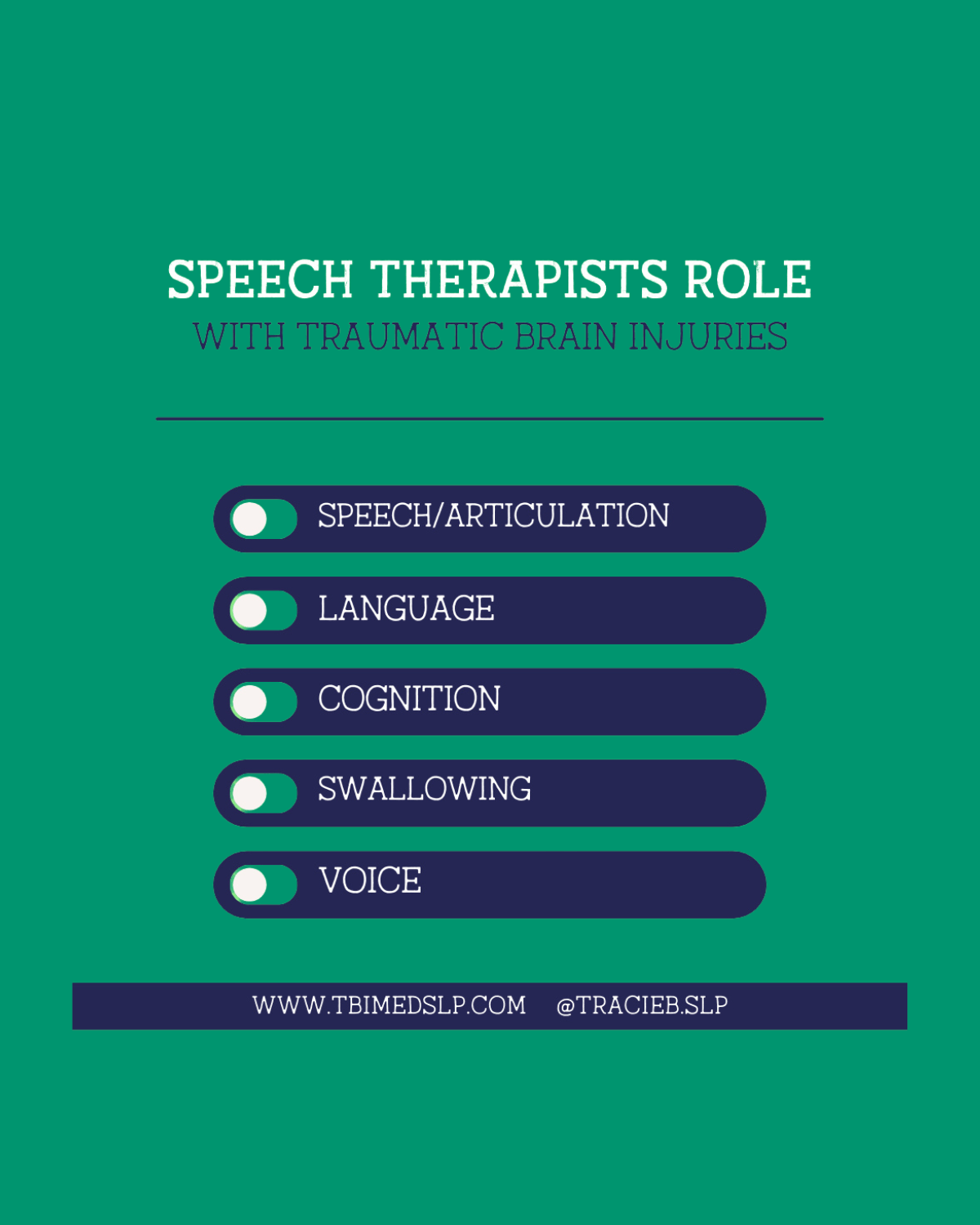
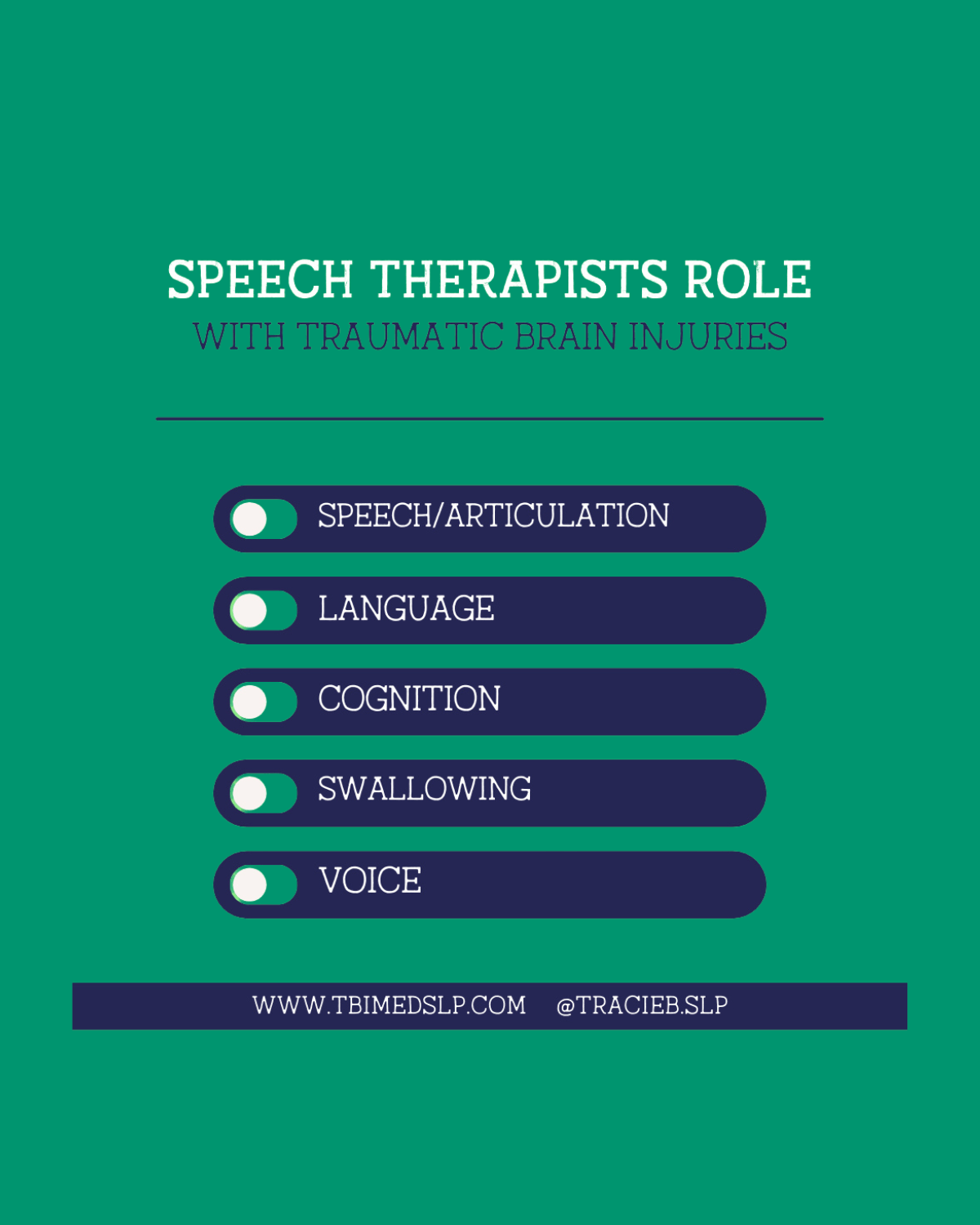
Speech Pathologist: A speech-language pathologist (SLP) evaluates and treats communication, cognitive (thinking), and swallowing problems after a brain injury. They create personalized treatment plans to improve areas of impairment. SLPs help people communicate, become more independent, and improve their quality of life.
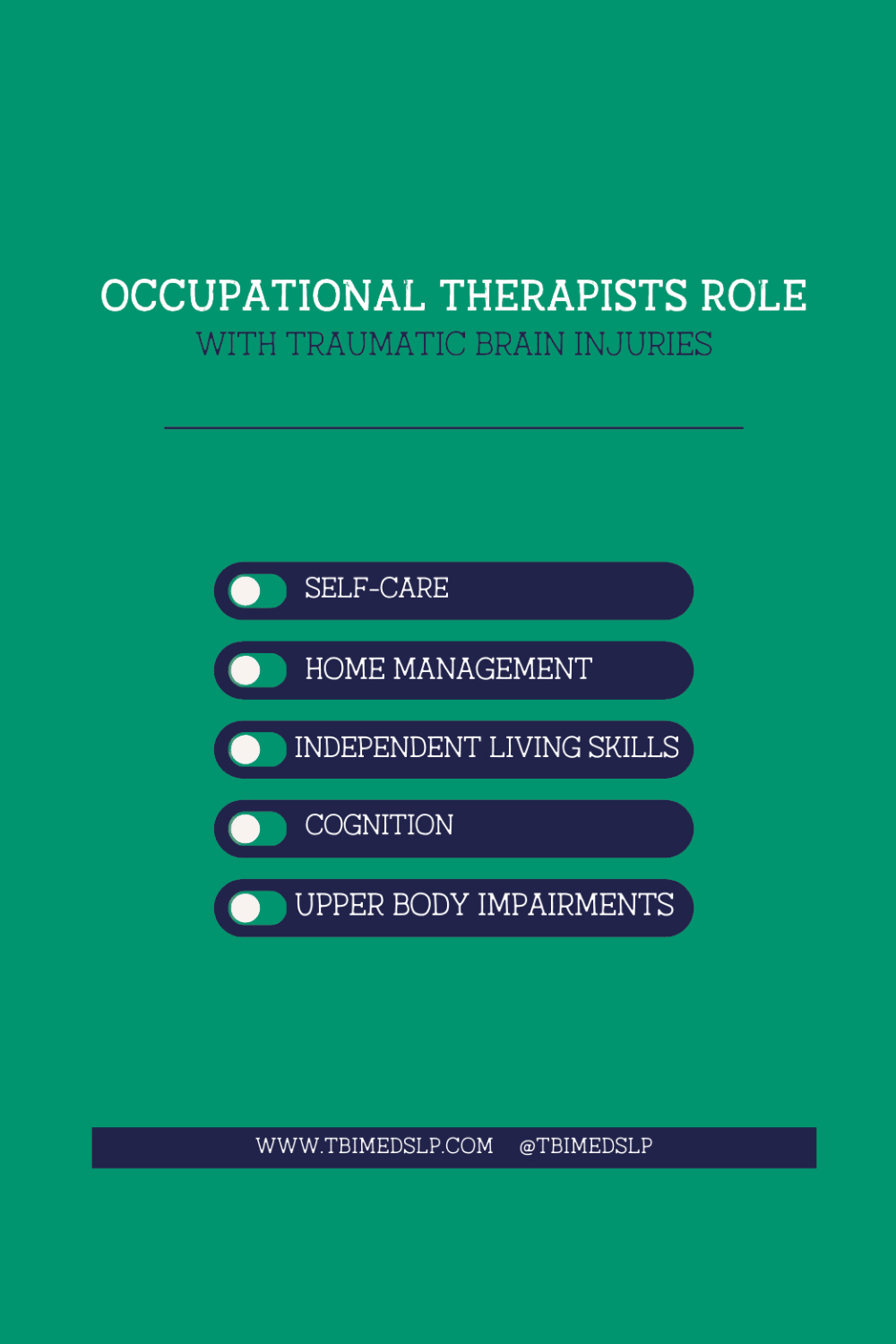
Occupational Therapist: An occupational therapist helps people regain the skills they need for everyday activities and daily living tasks, and to return to the activities that matter most to them.
Each member of the interdisciplinary team plays a different role in the treatment process. The team members work together to address the diverse needs of brain injury patients.
Families and caregivers participate in therapy sessions to reinforce progress and improve carryover of strategies. Caregivers and family members are often involved in discharge planning and next-level-of-care decision-making.
Patients with strong family support often show better cognitive functioning after TBI.
The neurologist takes the lead in diagnosing and managing the medical aspects of the brain injury.
Neurologists:
oversee the patient's neurological care
conduct tests and imaging
prescribe medications
track progress
Neurologists work alongside the other team members to ensure the treatment plan is patient-centered.
The psychologist focuses on the patient's emotional well-being.
Psychologists:
Assess cognitive and emotional challenges,
Offer counseling and psychotherapy, and
Provide strategies to manage stress, anxiety, and depression
A psychologist collaborates with other team members to promote a holistic approach to recovery.
Speech Therapy:
A speech-language pathologist (SLP) evaluates and treats communication, cognitive (thinking), and swallowing problems after a brain injury. They create personalized treatment plans to improve speech, language, cognitive (thinking) skills, and swallowing, helping people communicate more effectively, become more independent, and improve their quality of life.
Physical Therapy:
Physical therapy addresses the physical impairments resulting from the brain injury.
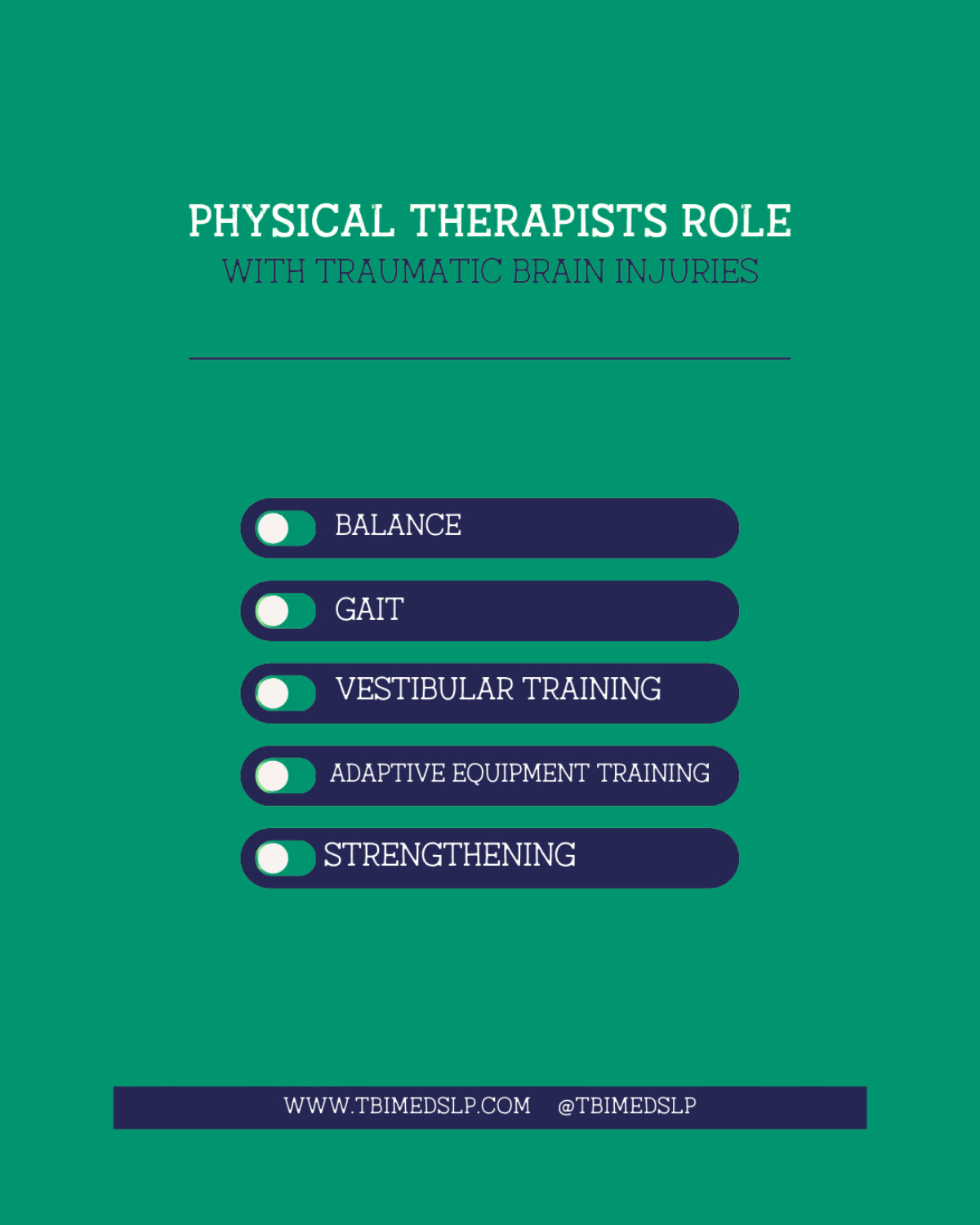
A physical therapist helps people regain strength, movement, balance, and mobility after a brain injury. They also treat physical problems caused by other injuries related to the trauma. Physical therapists create personalized exercise programs, provide hands-on therapy, and teach patients and their families how to use adaptive techniques and assistive devices. People with a severe traumatic brain injury (TBI) or spinal cord injury may need care from a specialized rehabilitation team.
Occupational Therapy:
An occupational therapist (OT) evaluates and treats difficulties with daily living skills and tasks after a brain injury. They create personalized treatment plans to improve independence, help people complete everyday activities, and support their return to meaningful activities.
One major goal of discharge planning is to help the person return home safely. Younger adults experienced greater functional improvements during inpatient rehabilitation than older adults.
The power of interdisciplinary team approaches is evident in the success stories of individuals who have benefited from them. These stories highlight the positive impact of collaboration and comprehensive care on individuals' lives, leading to better outcomes and improved quality of life.
By understanding the science of collaboration and recognizing the value of an interdisciplinary team, we can pave the way for more successful brain injury recovery journeys. Through collaboration, expertise, and a shared commitment to improving individuals' lives, interdisciplinary teams can make a significant difference in brain injury rehabilitation.
The Growing Importance of Interdisciplinary Teams in Brain Injury Care
Advances in brain injury research and rehabilitation improve the treatment of traumatic brain injuries (TBIs). One major focus is neuroplasticity—the brain's ability to adapt by creating new neural connections. This ability allows the brain to relearn skills, strengthen existing pathways, and improve skills after a brain injury. As our understanding of neuroplasticity grows, interdisciplinary rehabilitation teams play an important role in helping people recover and regain independence.
Interdisciplinary teams can continue to transform the way of brain injury treatment by:
combining expertise
sharing best practices
embracing innovative treatments, including technologies such as virtual reality
This approach improves outcomes and quality of life for patients and their families. Ongoing support and accessible resources also matter for persons living with brain injury. This includes those with non-traumatic brain injuries, after formal rehabilitation ends.