Five Most Common Causes of Traumatic Brain Injury
The Most Common Risk Factors and Causes of Traumatic Brain Injury (TBI)
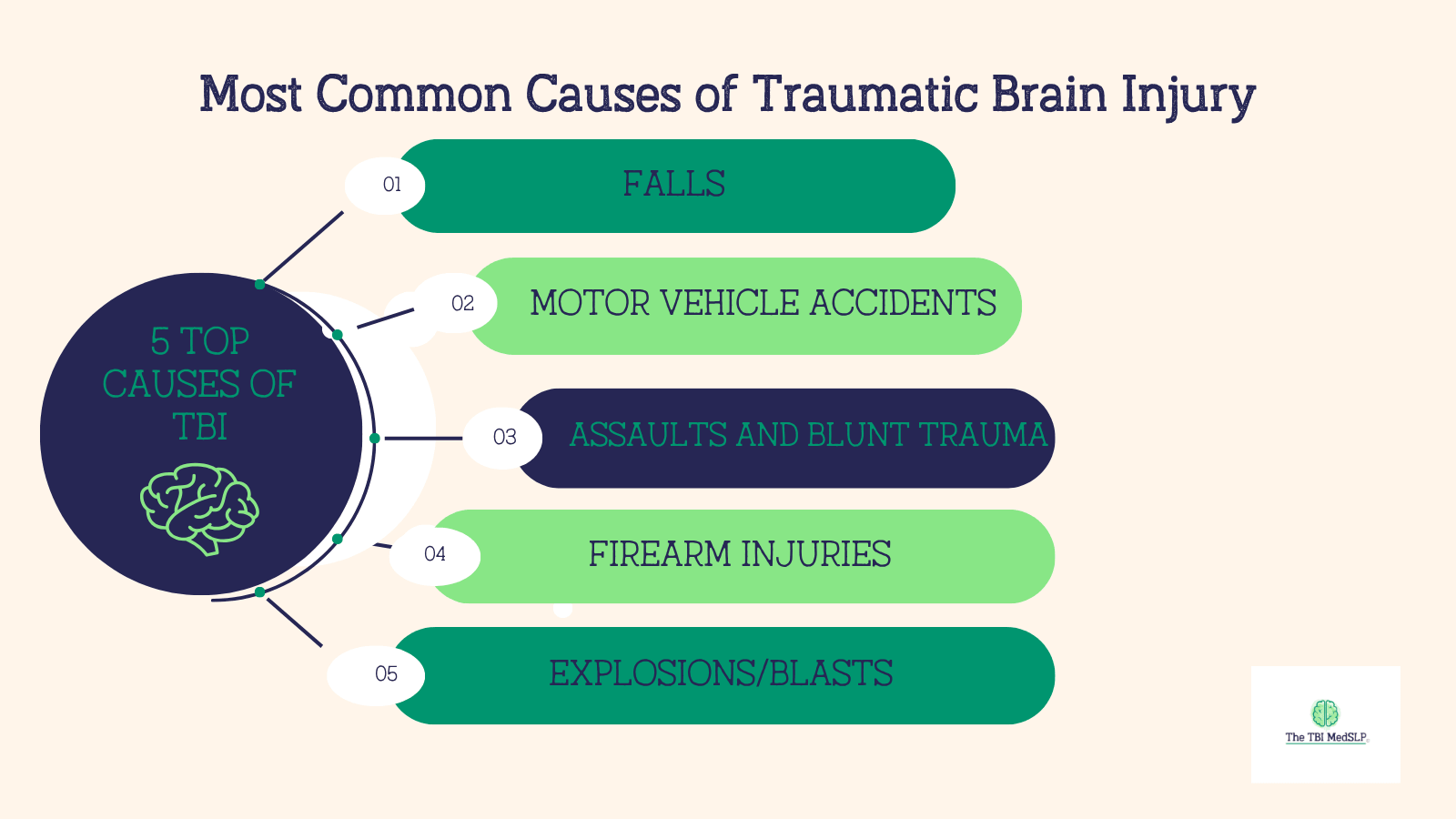
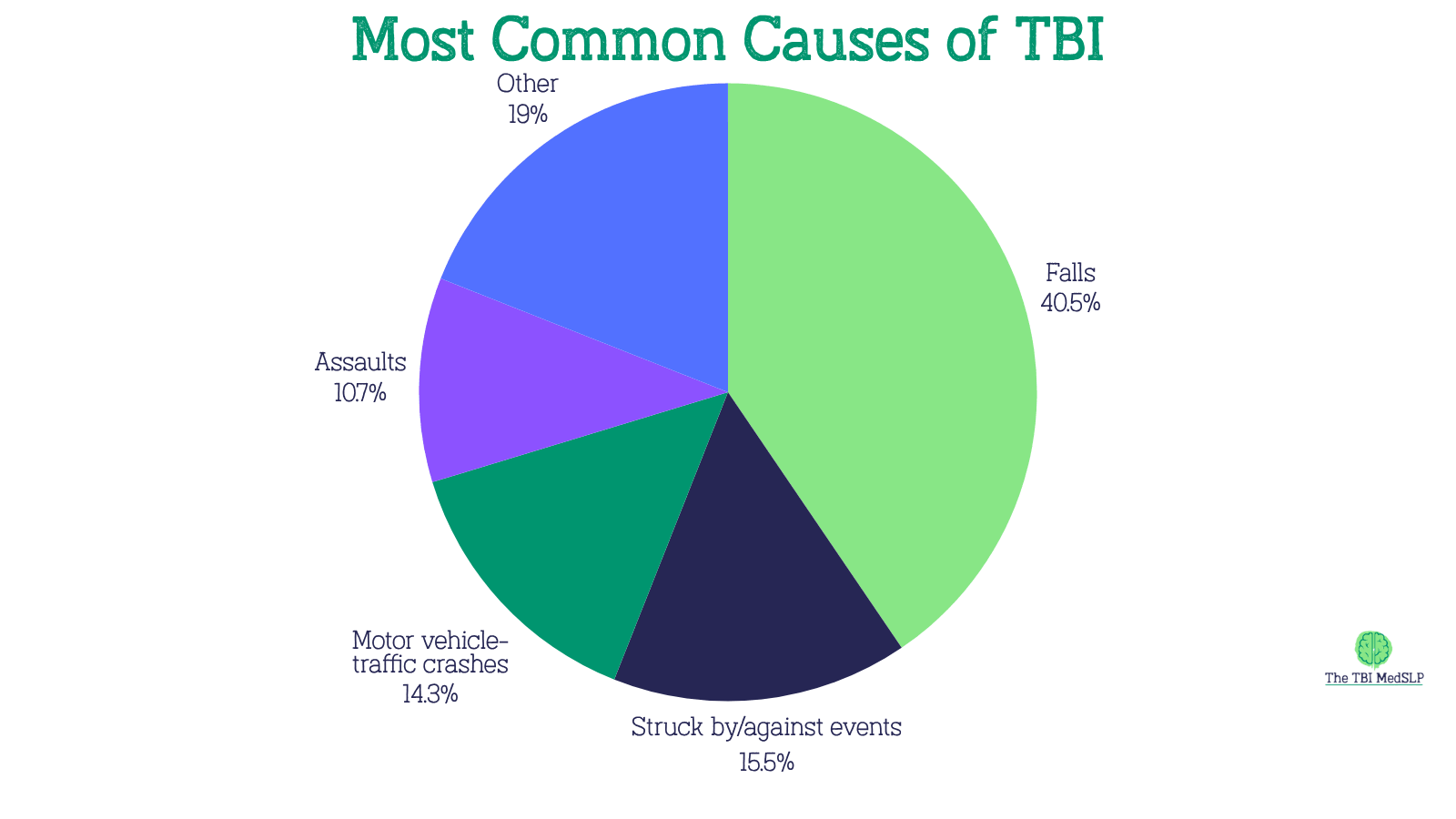
The most common causes of a traumatic brain injury (TBI) are events that start with a jolt, force, or strike to the head. This can lead to anything from a mild traumatic brain injury (mTBI), including concussions, to a severe traumatic brain injury. The five most common causes of traumatic brain injury include:
Falls
Firearm-related injuries
Motor vehicle accidents
Assault
Explosions
According to the CDC, the most recent national data shows that approximately 214,110 TBI-related hospitalizations occurred in 2020 and 68,663 TBI-related deaths occurred in 2023 in the United States. These numbers represent more than 586 hospitalizations and about 190 deaths PER DAY. Men are nearly three times more likely to die from TBI than women.
Did you know that falls are the most common cause of traumatic brain injuries? Other common causes include firearm-related injuries, motor vehicle accidents, and assault. Falls make up the largest amount of TBIs for pediatrics and adults, ages 65 and older, and children. Adults and children may show different symptoms than adults after a head injury. As people grow older, they are at higher risk, and age-related risk factors can increase the likelihood of falls. Still, it is possible to prevent a significant number of falls.
Common physical symptoms include:
Headache
Dizziness
Confusion
Decreased Balance
Symptoms from a mild TBI can appear right away or develop over several days. Emotional symptoms such as irritability and cognitive difficulties can also appear during recovery. Sleep changes and disturbances are often reported following mTBI.Find out more about how to prevent falls and the most common cause of falls here!
Examples of traumatic brain injury accidents vary in severity and cause. A primary brain injury happens at the moment of the traumatic event, when the brain is first damaged. A secondary brain injury develops later as the brain responds to the initial injury. During this process, ongoing damage can occur, leading to further injury to brain cells over time. Blunt trauma occurs when the head is struck by an object or when a person crashes into an object or another person. The force of the impact directly damages brain tissue and may also disrupt blood flow to and from the brain. These injuries are common in contact sports and can result in either an open or closed head injury. Sports-related head injuries may lead to skull fractures, brain swelling, blood clots, or a mild traumatic brain injury (mTBI), also known as a concussion.
Motor vehicle crashes are one of the most common causes of traumatic brain injury (TBI), along with falls, assaults, firearm-related injuries, and being struck by or against an object. Car accidents can lead to diffuse axonal injury (DAI). DAI happens when rapid movement shears nerve fibers in the brain. A moderate to severe TBI can result in long-term disability or death. Motor vehicle accidents include collisions with pedestrians, motor vehicles, or bicycles.
Traumatic brain injury examples from assaults or violence include head trauma from domestic abuse and shaken baby syndrome related to child abuse. Assault and homicide are leading causes of TBI-related death in children ages 0–4, particularly among infants, while falls are the leading cause of nonfatal TBI in this age group. Explosions and blast injuries, which often happen to military service members, are a major cause of traumatic brain injury (TBI). Gunshot wounds are another common cause of TBI and can lead to injuries where something enters the brain (penetrating injury).
To diagnose a traumatic brain injury (TBI), a healthcare provider may perform a physical exam and order tests such as brain imaging, magnetic resonance imaging (MRI), blood tests, or neuropsychological evaluations. They also watch for new or worsening symptoms, especially after a mild traumatic brain injury (mTBI). Many mild TBIs improve with rest and over-the-counter pain relievers. More severe injuries may need surgery, careful management of blood pressure and oxygen levels in the brain, and rehabilitation from a multidisciplinary team. For people with severe impairments, healthcare providers may use the Glasgow Coma Scale. This tool measures eye opening, verbal responses, and motor responses to track changes in consciousness. During recovery, some individuals may also pass through a minimally conscious state.
Ongoing research continues to improve clinicians' ability to diagnose and treat TBI.