

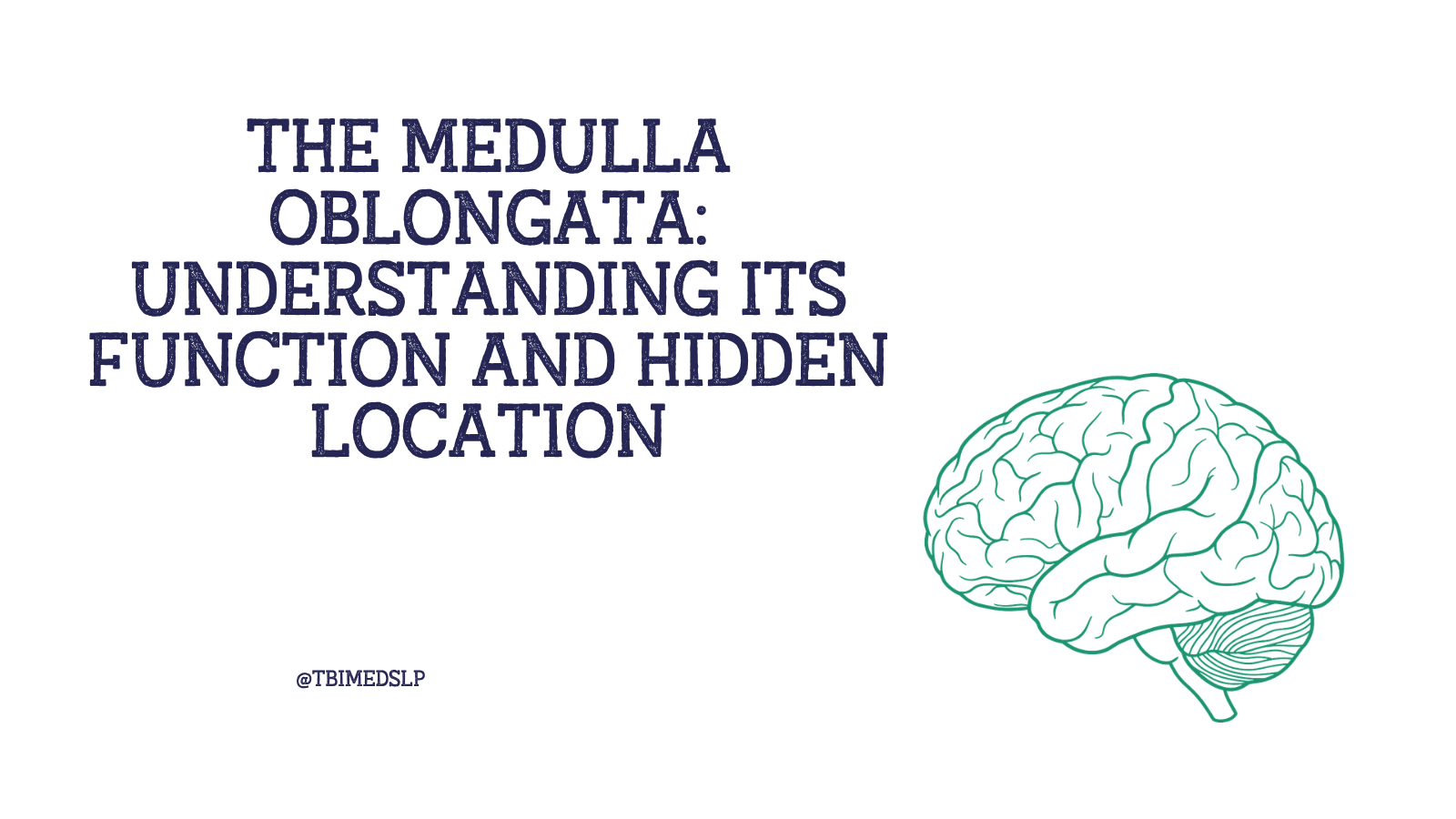
The medulla oblongata is deep within the brain stem. It serves as a control center for the body. It regulates many essential functions, from breathing and heart rate to swallowing and even sneezing.
In this post, we are covering the location, functions, and purpose of the medulla oblongata. We look closer at how the medulla oblongata ensures our survival, and impairments to this area can have profound consequences on our health.
Anatomy of the Medulla Oblongata
The medulla oblongata is a cone-shaped structure located at the bottom of the brainstem. The medulla oblongata acts as a bridge between the brain and the spinal cord. Gray and white matter make up the medulla. White matter is on the outside and gray matter on the inside. This forms complex networks of neural pathways. These pathways facilitate multiple critical functions. It is approximately 3 centimeters long.
The white matter contains nerve fibers that transmit signals to and from the brain. The gray matter contains various nuclei that serve specific functions. These nuclei include the respiratory centers, cardiovascular centers, and centers responsible for controlling reflexes such as swallowing, coughing, and vomiting.
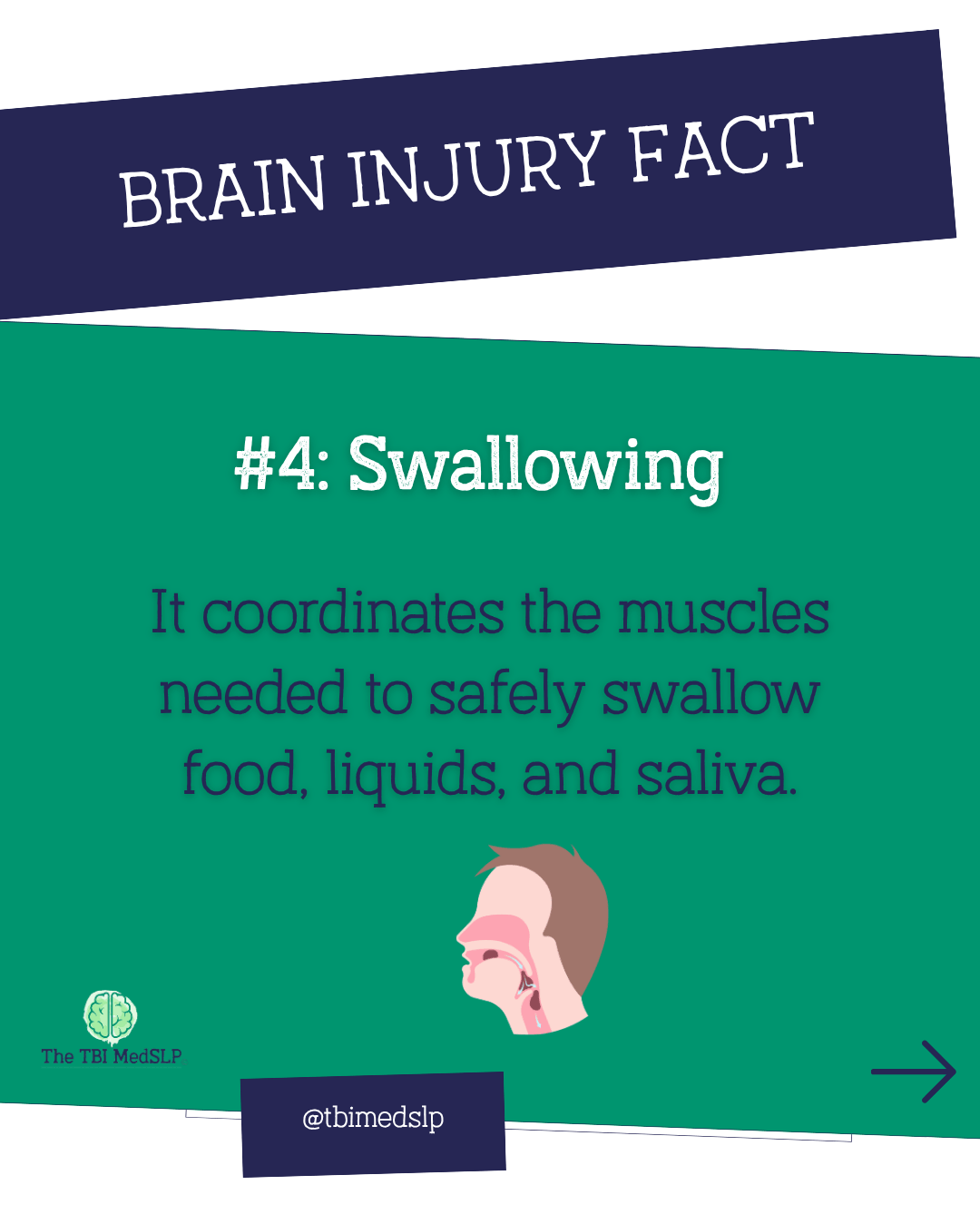
The medulla oblongata also contains thepyramidal decussation, a crossing point for motor fibers that control voluntary movements. This crossover allows the left side of the brain to control the right side of the body and vice versa. Several cranial nerves start in the medulla oblongata, including the glossopharyngeal (IX), vagus (X), accessory (XI), and hypoglossal (XII) nerves. These four nerves play essential roles in various bodily functions, including swallowing, speech, and respiratory control. Additionally, the medulla contains nuclei that process sensory information from the internal organs and relay it to other parts of the brain.
Additionally, the medulla oblongata houses the cranial nerve nuclei. These cranial nerve nuclei control various sensory and motor functions of the head and neck.
The medulla oblongata facilitates communication between the brain and the rest of the body, ensuring the smooth functioning of essential bodily processes.
Functions of the Medulla Oblongata
The medulla oblongata is also involved in coordinating voluntary movements. It receives input from the cerebral cortex and other brain regions. It takes this information and integrates it to fine-tune motor activity.
This coordination is essential for activities such as:
Walking
Running
Other complex motor tasks
Certain reflexive actions help protect the body from harmful substances and pathogens.
The reflexes the medulla plays a role in include:
Coughing
Sneezing; and
Vomiting
The medulla oblongata has a role in sensory processing. It receives sensory input from various parts of the body. Examples include the skin, muscles, and internal organs. The sensory input information is then sent to higher brain centers for further processing and integration. The medulla also helps process pain and temperature sensations. This process contributes to how the body perceives these sensory experiences.
Role in Autonomic Nervous System Control
The medulla oblongata is a primary component of the autonomic nervous system. The autonomic nervous system (ANS) automatically regulates involuntary body functions, such as:
Heart rate
Blood pressure; and
Digestion
This regulation happens through a series of complex neural circuits. These involve both afferent (sensory) and efferent (motor) pathways. These pathways allow the medulla to track and respond to changes in the body's internal environment, helping keep the body's internal systems stable and balanced.
One of the medulla oblongata's main jobs is controlling your heart and blood vessels. It has control centers that adjust how fast your heart beats and how wide or narrow your blood vessels become.
These control centers receive signals from sensors in your blood vessels. The sensors detect changes in your blood pressure and the amount of oxygen and carbon dioxide in your blood. The medulla uses this information to change the speed of your heart and widen or narrow your blood vessels. This helps keep your blood flowing appropriately. It also helps keep your blood pressure within a healthy range.
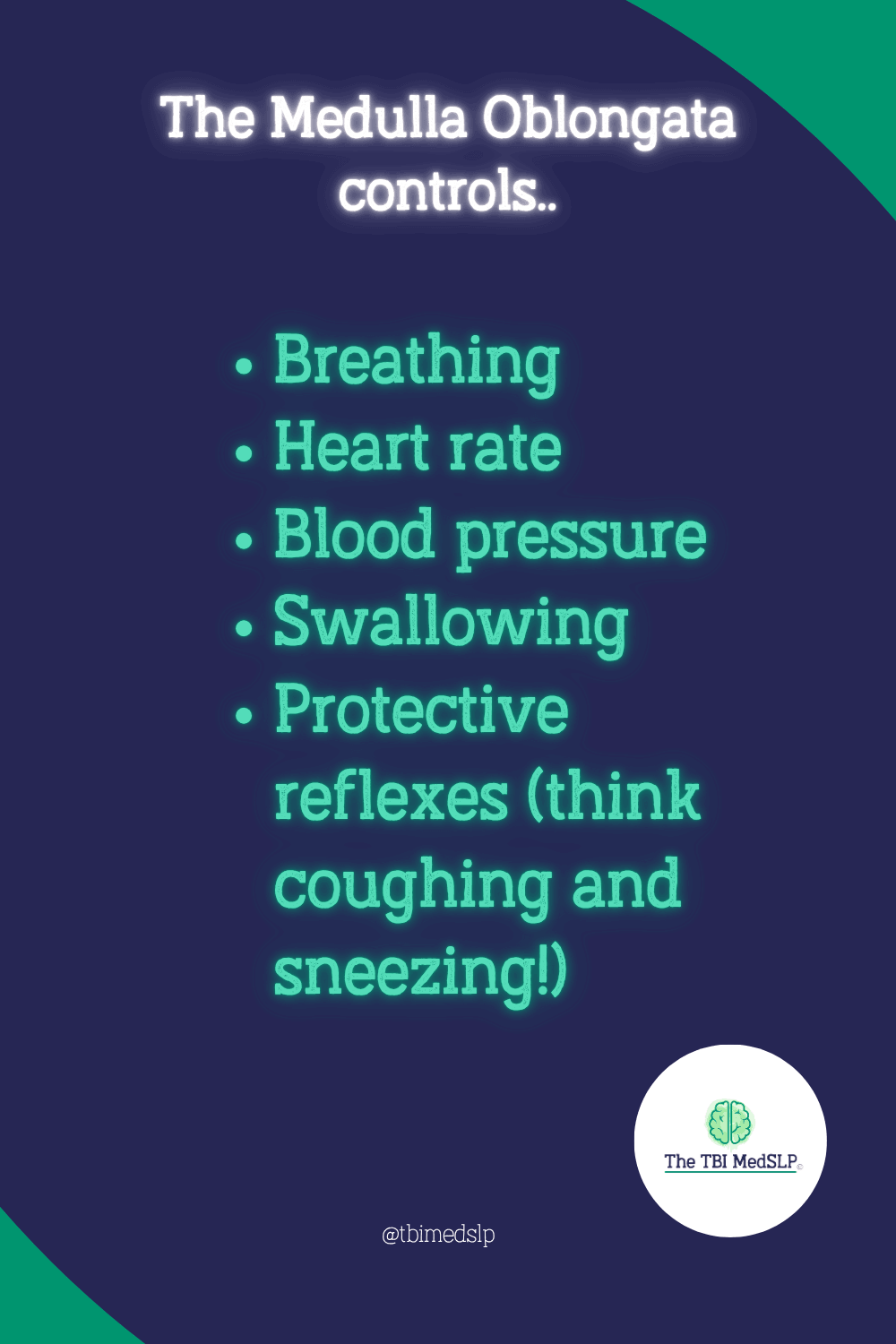
The medulla oblongata also helps control breathing. It has control centers that adjust how fast you breathe and how deep each breath is. These control centers receive signals from sensors that detect the amount of oxygen and carbon dioxide in your blood. They receive signals from other parts of the brain when you choose to control your breathing. For example, when you take a deep breath or hold your breath. The medulla uses this information to adjust your breathing so your body gets enough oxygen and removes carbon dioxide.
Connections Between the Medulla Oblongata and Other Brain Structures
The medulla oblongata does not work in isolation. It is part of a complex network that connects to other brain structures. This network facilitates the integration and coordination of various physiological processes. These connections allow the medulla to receive and relay information from different parts of the brain and body. This process ensures that the body's functions are simultaneously regulated.
One of the primary connections of the medulla oblongata is with the pons. The pons is another component of the brainstem. The pons serves as a relay station and sends information between the medulla and higher brain centers. These higher brain centers include the cerebrum and cerebellum. This connection is essential for coordinating motor activities and regulating autonomic functions. The pons also works in tandem with the medulla to regulate breathing patterns.
The medulla oblongata is also connected to the cerebellum. The cerebellum is a structure in the brain involved in motor coordination and balance. These connections allow the medulla to relay sensory and motor information to the cerebellum. The cerebellum then processes and integrates this information to fine-tune motor activities. This coordination is essential for maintaining posture, balance, and smooth, coordinated movements.
The medulla oblongata connects with the hypothalamus. The hypothalamus is another important part of the brain that helps keep your body working properly. It receives information from the medulla about your body, like your blood pressure, heart rate, and breathing. Using this information, the hypothalamus tells your body how to respond to help keep these functions within a healthy range. Together, the hypothalamus and medulla help your body stay stable and work the way it should.

Disorders Affecting the Medulla Oblongata
Any disruption to the medulla oblongata can have serious and potentially life-threatening consequences. Several disorders can affect the medulla. This can lead to a range of symptoms and complications that vary in severity. Symptoms and severity depend on the underlying cause and extent of the damage.
One of the most common disorders affecting the medulla oblongata is a stroke. A stroke happens when the blood supply to the brain is blocked or interrupted. A stroke in the medulla can result in a condition known as lateral medullary syndrome (or Wallenberg syndrome). This is characterized by symptoms such as:
Difficulty swallowing
Hoarseness
Dizziness, and
Loss of pain and temperature sensation on one side of the body
This condition profoundly impacts a person's quality of life. Often, it requires extensive rehabilitation.
Another disorder that can affect the medulla oblongata is multiple sclerosis (MS). MS is a chronic autoimmune disease that causes inflammation and damage to the central nervous system. In MS, the immune system attacks the myelin sheath, a protective covering around nerve fibers, leading to impaired nerve signal transmission. When the medulla oblongata is involved, individuals may experience symptoms such as:
Difficulty breathing
Irregular heart rate and
Problems with coordination
Difficulty with balance
Traumatic brain injury (TBI) is another condition that can impact the medulla oblongata. TBI can result from a blow to the head, a fall, or an accident, causing damage to the brainstem and surrounding areas. Depending on the severity of the injury, individuals may experience a range of symptoms. These can include:
Respiratory distress
Cardiovascular instability
Impaired motor function
In severe cases, TBI affecting the medulla can be fatal.
Diagnostic Approaches for Medulla Oblongata Issues
A prompt and accurate diagnosis of any damage to the medulla oblongata is essential because of the large role it plays in our body. Several diagnostic approaches can be used to assess the health and functionality of the medulla. Accurate diagnostic approaches allow medical providers to identify underlying conditions. Following diagnostics, medical providers are able to develop appropriate treatment plans.
One of the primary diagnostic tools used to evaluate the medulla oblongata is magnetic resonance imaging (MRI). MRI can provide information about the extent and location of brainstem damage in cases of stroke or traumatic brain injury. MRI scans offer a much higher level of detail than computed tomography (CT) scanning in these cases.
Doctors may use other tests to check how well the medulla oblongata is working. One of these tests is called a brainstem auditory evoked potential (BAEP) test. This measures how your brainstem responds to sounds. It can help identify problems in the hearing pathways that pass through the brainstem. Doctors may also use electromyography (EMG) and nerve conduction studies to check how well the cranial nerves that begin in the medulla are working. These tests measure how well nerves send signals to muscles and can help identify problems affecting the nerves and muscles.
Importance of Maintaining a Healthy Medulla Oblongata
The medulla oblongata plays a large role in maintaining our health and well-being. Its control over essential bodily functions such as respiration, heart rate, and digestion ensures our survival daily. It is crucial to prioritize the health of the medulla oblongata and take steps to maintain its optimal functioning.
One of the key ways to support the health of the medulla oblongata is by adopting a healthy lifestyle. Regular exercise, a balanced diet, and adequate sleep can contribute to overall brain health and optimize the functioning of the medulla oblongata.
Avoiding behaviors that can harm the medulla oblongata is also important. It is recommended to limit the intake of substances such as alcohol and tobacco, which can have damaging effects on the brain and nervous system.
Regular check-ups with healthcare professionals are essential for monitoring the health of the medulla oblongata. Routine screenings, such as blood pressure checks and respiratory function tests, can help detect any early signs of dysfunction and allow for timely intervention.
By prioritizing the health of the medulla oblongata, we can ensure that this hidden powerhouse continues to function optimally.
Interesting Facts about the Medulla Oblongata
The medulla oblongata is part of the hindbrain. The hindbrain also includes the pons and the cerebellum.
Together, these structures play a vital role in:
coordinating movement
maintaining balance
controlling essential bodily functions
Despite its small size, the medulla oblongata contains approximately 100 million neurons. This makes it a densely packed and highly specialized structure.
The medulla oblongata is often referred to as the "primitive brain" due to its involvement in basic survival functions that are essential for all vertebrates.
In addition to controlling essential bodily functions, the medulla oblongata is also involved in the perception of pain and the regulation of the sleep-wake cycle.
Damage to the medulla oblongata can result in a condition known as locked-in syndrome, where individuals are awake and aware but unable to move or communicate due to severe paralysis.
The medulla oblongata is an essential component of the brainstem. The medulla helps control many of the body's most important automatic functions. These include:
Heart rate
Blood pressure
Breathing; and
Movement
The medulla oblongata also helps your body adjust to changes throughout the day so these functions continue to be effective.